Old Content, New Problems: How Link Rot Is Silently Draining Your Traffic and Revenue
Here's a scenario that plays out in marketing teams across the country every single day: a piece of content gets published, performs well for a few months, and then gets filed away under "done." Nobody checks it again. Nobody updates the links. Nobody notices when those links quietly stop working.
That's link rot in action — and it's a lot more expensive than most people realize.
What Is Link Rot, and Why Does It Get Worse Over Time?
Link rot refers to the gradual decay of hyperlinks as the pages they point to move, get deleted, or simply cease to exist. It's not a one-time event. It compounds. The older a piece of content gets, the more opportunities there are for its outbound links to break.
Research from Harvard's Berkman Klein Center found that roughly 50% of URLs cited in academic papers become inaccessible within a decade. While your marketing blog isn't exactly peer-reviewed research, the same principle applies. A content library that's two or three years old is almost certainly riddled with broken or redirected links — and most teams have no idea.
The problem isn't just aesthetics. It's money.
The Revenue Impact Nobody Puts on a Spreadsheet
Let's talk numbers, because this is where the conversation gets real.
A mid-sized e-commerce retailer in the outdoor gear space ran an audit of their blog content from 2021 and 2022. Out of 140 published articles, they found 312 broken outbound links and 47 internal links pointing to product pages that had since been discontinued. Those articles were still collectively pulling in roughly 18,000 organic visits per month. But because the user experience was degraded — dead ends, missing resources, outdated recommendations — their average session duration on those pages had dropped 34% compared to newer content, and conversion rates were nearly half of what they saw on fresh posts.
Conservatively, they estimated they were leaving $6,000 to $9,000 in monthly revenue on the table. Annualize that and you're looking at a six-figure problem hiding inside content that was already "done."
A SaaS company in the HR tech space had a different but equally costly version of the same issue. Several of their high-ranking comparison articles linked out to competitor pricing pages and third-party review sites. Many of those links had changed, and some pointed to content that was now actively misleading — showing outdated pricing that made competitors look cheaper than they actually were. The company wasn't just losing clicks; they were inadvertently helping their competitors.
Why Two-Year-Old Content Is Especially Vulnerable
Content that's 18 to 30 months old sits in a particularly dangerous window. It's old enough that the web has changed significantly around it, but it often still ranks well because it's accumulated backlinks and engagement signals over time. That means it's still getting traffic — traffic that's hitting a degraded experience.
New content gets attention. Teams check it, update it, share it. Old content gets ignored. That's the gap where link rot lives.
The industries hit hardest tend to be:
- Finance and fintech, where regulatory changes and product pivots cause URLs to shift constantly
- Healthcare, where guidelines and resources get updated or moved by government agencies and medical organizations
- Retail and e-commerce, where product pages come and go with inventory cycles
- Tech and SaaS, where companies rebrand, get acquired, or sunset features regularly
If your content lives in any of these spaces, your older posts are almost certainly carrying broken or stale links right now.
Building an Audit Framework That Actually Prioritizes What Matters
Not every broken link deserves the same urgency. A dead link on a post that gets 50 visits a month is very different from one on a post driving 5,000 monthly sessions. Your audit framework needs to account for that.
Here's a practical approach:
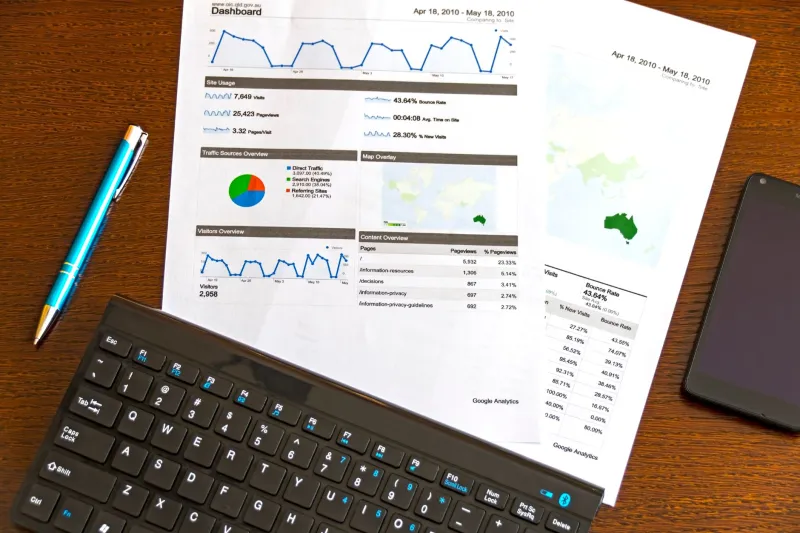
Step 1: Pull your top-performing legacy content first. Use Google Analytics or your analytics platform of choice to identify your top 25 to 50 performing pages that are at least 18 months old. These are your highest-risk, highest-reward targets.
Step 2: Run a link check on each page. Tools like Screaming Frog, Ahrefs, or a dedicated link monitoring service can crawl your pages and flag broken or redirected links automatically. Don't do this manually — it takes forever and you'll miss things.
Step 3: Score each broken link by impact. For each flagged link, note whether it's internal or external, what kind of page it points to (resource, product, affiliate, etc.), and whether it appears in a high-visibility location like the first 200 words or a call-to-action section.
Step 4: Triage by traffic and conversion value. Pages with high traffic and high conversion intent get fixed first. Period. A broken affiliate link on a buying guide that ranks on page one of Google is an emergency. A broken link to a now-defunct tool on an informational post from 2021 is important, but it can wait a week.
Step 5: Set up ongoing monitoring. This is where link management platforms earn their keep. Instead of running audits every six months and scrambling to fix things, you can get alerts the moment a link breaks. That's the difference between proactive maintenance and expensive catch-up work.
The Compounding Effect of Fixing vs. Ignoring
Here's the thing about link rot: fixing it pays dividends in multiple directions at once. When you clean up broken links on a high-performing page, you typically see improvements in bounce rate, session duration, and sometimes even search rankings — Google's crawlers notice when your internal linking structure is clean and your outbound links actually work.
One content team at a digital media company reported a 22% increase in average session duration across their audited legacy content within 60 days of a link cleanup campaign. That's not a minor tweak. That's a meaningful shift in how users are engaging with content that was already live and ranking.
The flip side is also true. Every month you leave broken links in place, you're compounding the damage. Users bounce. Rankings slip. Trust erodes. And because it happens gradually, most teams don't connect the dots until the traffic drop is already significant.
Stop Treating Old Content Like a Done Deal
Publishing is not the finish line. It's the starting line for a long-term relationship between your content and your audience. Links are part of that relationship — they're the connective tissue that makes your content useful, credible, and worth engaging with.
At S-URL Hub, we talk a lot about how link management isn't just an operational task — it's a strategic one. Keeping your links healthy, trackable, and up to date is how you protect the investment you've already made in content that's out there working for you.
Your two-year-old content isn't dead weight. It's a revenue-generating asset — but only if you treat it like one.